

Australia and India have built one of the most compelling rivalries in international cricket. Their encounters bring together contrasting playing styles, experienced match-winners, tactical decisions, and the pressure of performing on the biggest stage. Whether they meet in a Test series, an ODI tournament, or a T20 international, both teams know that even a small mistake can change the result.
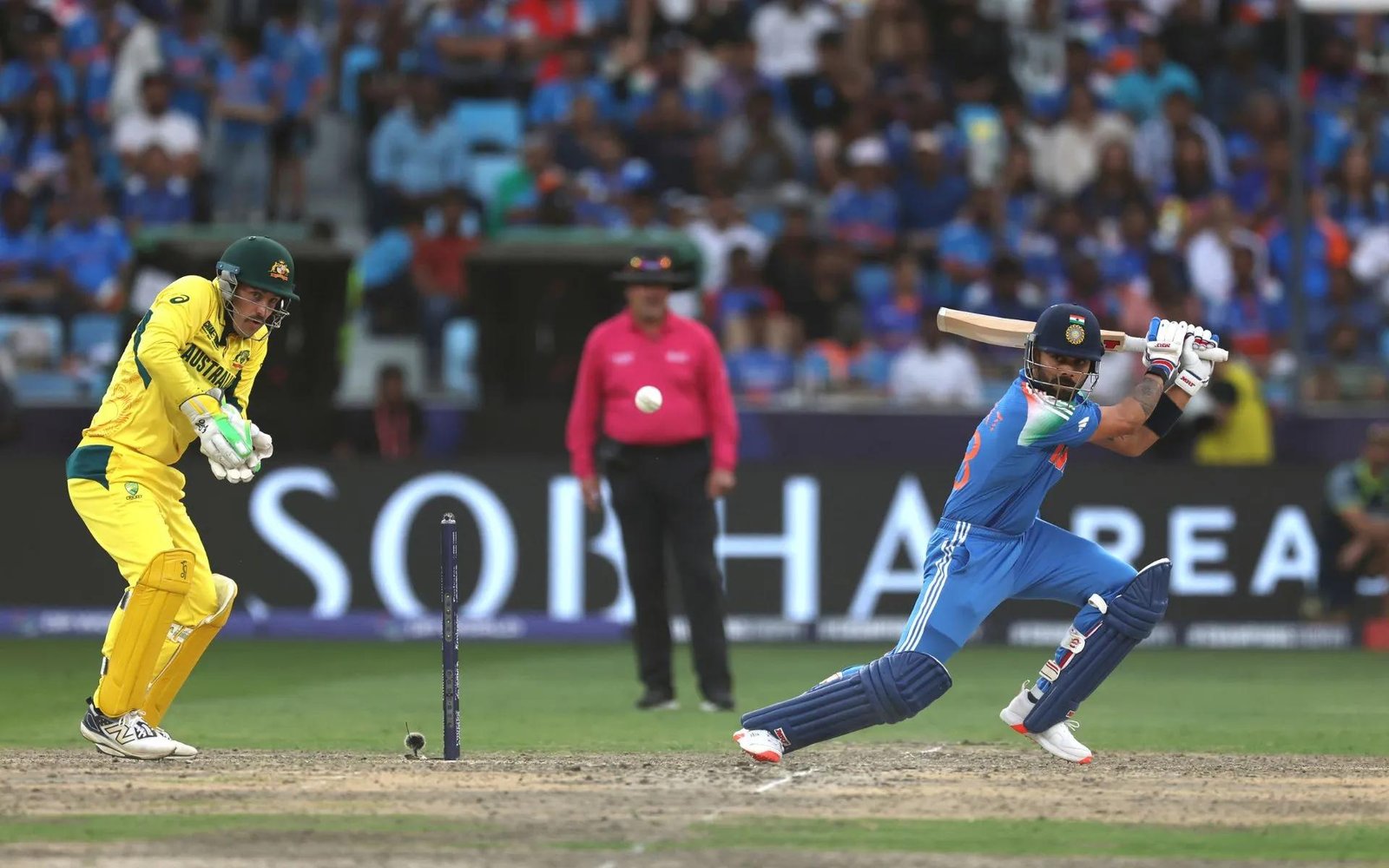
The rivalry gained another memorable chapter when India defeated Australia by four wickets in the semi-final of the 2025 ICC Champions Trophy in Dubai. Australia posted 264 runs before India chased down the target with six wickets in hand, securing a place in the final. Virat Kohli’s composed innings played a central role in the victory.
Beyond individual performances, Australia vs India highlights the importance of batting partnerships, bowling changes, spin control, and decision-making under pressure. These factors help explain why their matches continue to attract attention from cricket fans worldwide.
Why Australia vs India Is Such a Major Cricket Rivalry
Australia and India bring different strengths to international cricket. Australia has traditionally been associated with aggressive batting, disciplined fast bowling, and an ability to maintain pressure during difficult periods. India, meanwhile, has developed a reputation for combining technically skilled batters with varied bowling options and strong spin resources.
Neither approach guarantees victory. Conditions, player availability, and the format of the match can significantly influence the outcome.
In Test cricket, patience and endurance often determine which team gains control. In One-Day Internationals (ODIs), teams must balance scoring speed with wicket preservation. T20 cricket places greater emphasis on power hitting, matchups, and executing plans within a limited number of overs.
The rivalry is also shaped by its history. Memorable Test series, World Cup encounters, and Champions Trophy matches have repeatedly demonstrated that previous results offer no guarantee of success in the next meeting.
India vs Australia: The 2025 Champions Trophy Semi-Final
The Champions Trophy semi-final on March 4, 2025, provided another example of India’s ability to handle a demanding run chase.
Australia won the toss and elected to bat first at Dubai International Cricket Stadium. Its batting lineup produced 264 runs in 49.3 overs, giving India a target of 265 to reach the final.
Steve Smith and Alex Carey helped Australia recover from early setbacks. Smith scored 73 runs, while Carey contributed 61, providing the innings with stability after India made important breakthroughs.
India responded with a measured approach. Instead of relying exclusively on aggressive strokes, the batters built partnerships and kept the required scoring rate under control.
Virat Kohli scored 84 from 98 deliveries, while Shreyas Iyer added 45. KL Rahul’s unbeaten 42 and Hardik Pandya’s contribution helped India complete the chase at 267/6 in 48.1 overs.
The four-wicket victory demonstrated how a team can recover from pressure by combining individual skill with sensible batting decisions.
Match Summary
| Match detail | Result |
|---|---|
| Tournament | ICC Champions Trophy 2025 |
| Stage | Semi-final |
| Venue | Dubai International Cricket Stadium |
| Australia | 264 all out in 49.3 overs |
| India | 267/6 in 48.1 overs |
| Result | India won by four wickets |
| Leading Indian batter | Virat Kohli, 84 runs |
| Leading Australian batter | Steve Smith, 73 runs |
The match showed that reaching a competitive total is only one part of the challenge. Teams must also defend it effectively, take wickets at important moments, and prevent the opposition from establishing control.
Three Key Battles That Can Decide Australia vs India Matches
1. Top-Order Batting Against the New Ball
The opening overs often establish the direction of an ODI or Test match. Australia’s fast bowlers can challenge batters with pace, bounce, and movement, while India’s top order must judge which deliveries to defend and which to attack.
For Australia, early wickets can expose the middle order before it has settled. For India, surviving the initial pressure creates an opportunity to build partnerships and take advantage of batting-friendly conditions.
The same principle applies in reverse. Indian bowlers who strike early can force Australian batters to rebuild rather than follow their preferred attacking approach.
2. Spin Bowling Against the Middle Order
Spin can become particularly influential when pitches slow down or the ball begins to grip the surface.
India has regularly used specialist spinners to disrupt batting partnerships and restrict scoring opportunities. Australia’s batters must respond by rotating the strike, choosing attacking shots carefully, and avoiding unnecessary risks against deliveries that turn sharply.
Australia also possesses spinners capable of changing the course of a match. Adam Zampa, for example, can create pressure in limited-overs cricket by varying his pace, flight, and length.
The key is not simply taking wickets. A spell that restricts boundaries can force batters to attempt riskier shots, creating opportunities for dismissals later in the innings.
3. Middle-Order Partnerships Under Pressure
When an early wicket falls, the next batting partnership becomes crucial. A steady stand can restore control, while a quick succession of dismissals can leave a team struggling to reach a competitive score.
The 2025 Champions Trophy semi-final illustrated this principle from both sides. Smith and Carey helped Australia recover, while India’s batters maintained their chase through several useful partnerships.
For teams chasing a target, the middle order must understand when to accelerate and when to protect wickets. Attacking too early can create unnecessary pressure, but leaving too much work for the final overs can make an otherwise manageable chase difficult.
What Made India’s 2025 Victory Possible?
India’s victory came from several connected factors rather than one individual performance alone.
Virat Kohli’s composure: His 84-run innings gave India a dependable foundation during the chase. He combined patience with timely scoring, helping the team remain competitive throughout the innings.
Useful contributions from the middle order: Shreyas Iyer and KL Rahul helped India maintain momentum after important moments in the match. These contributions reduced the pressure on the remaining batters.
Important bowling breakthroughs: India’s bowlers prevented Australia from turning its recovery into a substantially larger total. Taking wickets at key stages limited Australia’s opportunities to accelerate late in the innings.
Managing the required run rate: India did not need to chase every delivery aggressively. By keeping the target within reach, the batters avoided making the final overs unnecessarily difficult.
Australia, meanwhile, had to contend with the absence of several major fast-bowling options during the tournament. Those circumstances affected its available resources, although India’s execution during the chase remained central to the outcome.
You May Read Also: SFM Compile Explained: Meaning, Process, Tools, Errors & Beginner Guide
Australia vs India: Test Cricket Compared With ODIs and T20s
The format of a match changes the tactical demands placed on both teams.
| Format | Main tactical challenge | What can make the difference |
|---|---|---|
| Test cricket | Sustaining performance over multiple days | Patience, bowling endurance, and partnerships |
| ODI cricket | Balancing scoring speed with wickets in hand | Middle-over control and late-innings acceleration |
| T20 cricket | Scoring quickly while limiting risk | Matchups, power hitting, and precise bowling |
Test matches reward teams that can adapt to changing pitch conditions and maintain concentration over long periods. ODIs require a more carefully managed scoring plan, while T20 matches often turn on a handful of overs.
This is why the same players can have very different roles across formats. A batter may focus on occupying the crease in a Test match but be expected to attack from the first over in a T20 international.
Players Who Can Influence Future Australia vs India Encounters
The players who shape an Australia-India contest depend on the format, the selected squads, and their current form. Nevertheless, several types of performers regularly influence the outcome.
Top-order batters establish the foundation and determine whether a team can build a large total or begin a chase confidently.
Middle-order finishers provide flexibility when the innings needs acceleration. Their ability to score under pressure can decide close ODI and T20 matches.
Fast bowlers can exploit movement with the new ball and create breakthroughs when batters attempt to increase the scoring rate.
Specialist spinners can control the middle overs, break partnerships, and make scoring difficult on surfaces that offer turn.
All-rounders provide balance by contributing in more than one discipline. Their presence gives captains additional options when the match situation changes unexpectedly.
Fans should also consider team selection and player fitness before drawing conclusions about a particular matchup. A team missing key bowlers may need a different strategy, while a deep batting lineup can provide greater flexibility during a difficult chase.
What Cricket Fans Should Watch in the Next Australia vs India Match
Several indicators can help explain how an upcoming encounter develops.
- The first 10 overs: Early wickets or a strong opening partnership can influence the rest of an ODI.
- Middle-over scoring: Teams that rotate the strike consistently can avoid relying entirely on boundaries.
- Bowling changes: Introducing a spinner or changing a fast bowler’s angle can disrupt an established partnership.
- Fielding standards: Dropped catches and missed run-out opportunities can prove costly in close matches.
- Death-over execution: Accurate yorkers, slower deliveries, and smart batting decisions often determine the final margin.
Conditions should also be considered. A dry surface may favour spin, while a pitch offering pace and bounce can reward fast bowlers. Weather, the toss, and the possibility of dew may influence a captain’s decision to bat or bowl first.
These factors do not predict a guaranteed winner, but they provide a practical framework for understanding the tactical contest.
The Lasting Importance of the Australia-India Rivalry
Australia vs India is more than a contest between two successful international teams. It brings together contrasting cricketing traditions, highly skilled players, and the pressure of competing for major honours.
The 2025 Champions Trophy semi-final demonstrated how composure, partnerships, and timely bowling breakthroughs can determine a high-stakes match. Australia’s recovery through Smith and Carey made the contest competitive, but Kohli’s innings and India’s collective effort carried the team across the finish line.
Future encounters will present different conditions, team combinations, and challenges. The underlying lesson remains the same: success depends on adapting to the match situation rather than relying solely on reputation or past results.
For cricket fans, that uncertainty is part of what makes Australia vs India one of international cricket’s most compelling matchups.
Frequently Asked Questions
Who won the Australia vs India Champions Trophy semi-final in 2025?
India won by four wickets on March 4, 2025, after chasing Australia’s total of 264 runs in Dubai.
How many runs did Virat Kohli score in the 2025 semi-final?
Virat Kohli scored 84 runs from 98 deliveries, helping India complete the successful chase.
What was Australia’s score against India in the semi-final?
Australia scored 264 runs in 49.3 overs before India reached 267/6 in 48.1 overs.
What makes Australia vs India such a competitive rivalry?
Both teams have strong batting lineups, varied bowling attacks, experienced match-winners, and a history of competing in major international tournaments. Tactical adaptability and performance under pressure often separate the winner from the loser.
Which factors matter most in an Australia vs India ODI?
The opening partnership, middle-over scoring, spin bowling, wicket preservation, fielding, and execution during the final overs can all influence the result.
Where can fans follow Australia vs India cricket results?
Fans can follow fixtures, live scores, match reports, and official tournament updates through the ICC and the respective national cricket boards, including Cricket Australia and the Board of Control for Cricket in India (BCCI).
[…] You may read also: Australia vs India: Key Battles That Define One of Cricket’s Biggest Rivalries […]