

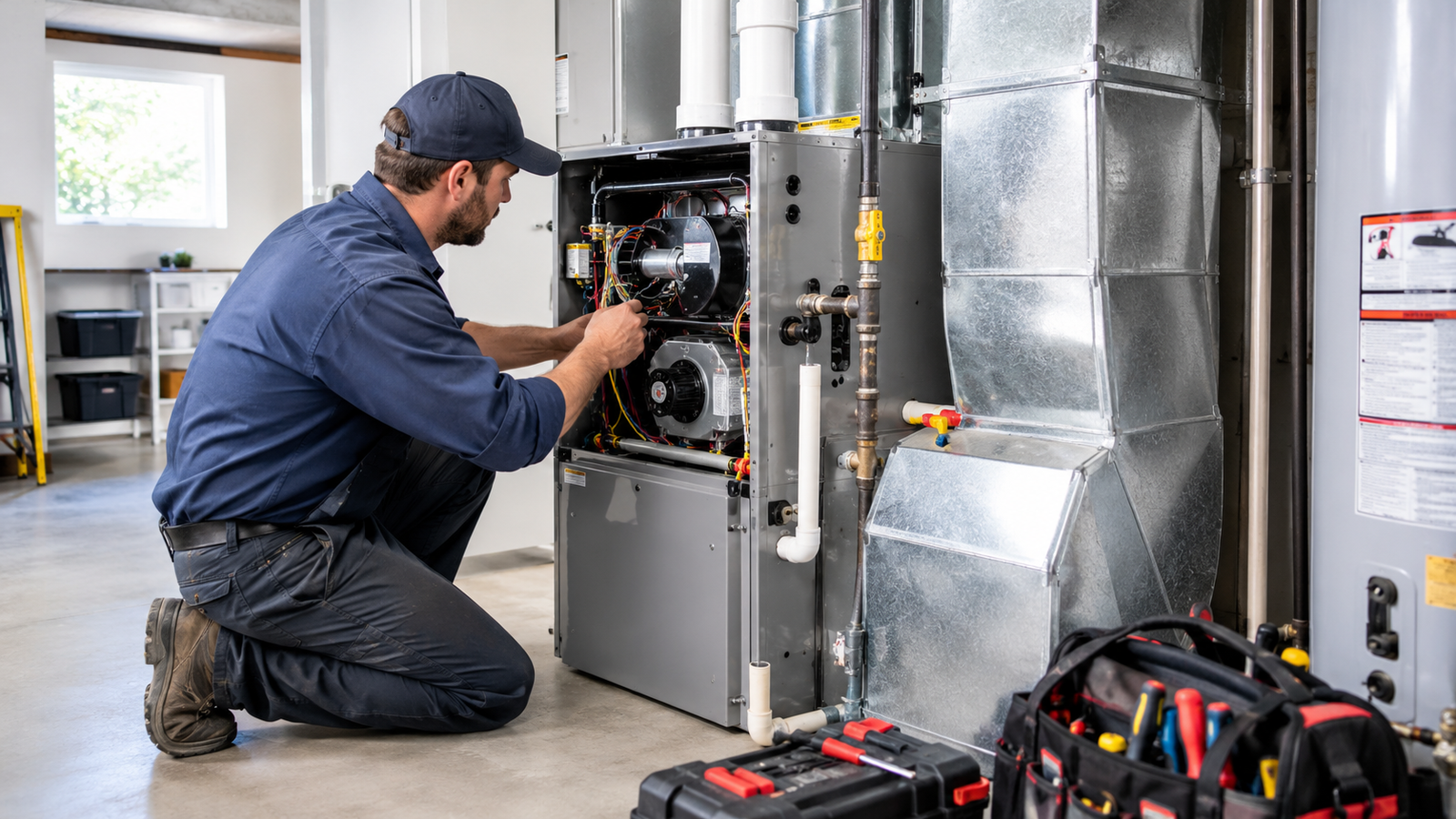
Installing a new home furnace is an important decision for homeowners preparing for the colder months of 2027. An outdated heating system, frequent breakdowns, uneven indoor temperatures, and rising energy bills can all indicate that it may be time to consider a replacement.
However, choosing a new furnace involves more than comparing equipment prices. Home size, insulation, existing ductwork, fuel availability, installation quality, and maintenance requirements all affect the final decision.
Whether you are replacing an old heating unit or planning a new installation, understanding the process can help you compare contractors, avoid unnecessary expenses, and choose a suitable heating system.
When Should You Replace Your Home Furnace?
A furnace does not always need replacement when it develops a problem. Sometimes, professional repairs or routine maintenance can restore normal operation.
However, replacement may be worth considering when:
- Your furnace frequently needs expensive repairs.
- Some rooms remain colder than others.
- Heating performance has noticeably declined.
- The equipment is approaching the end of its expected service life.
- The system produces unusual noises or repeatedly shuts down.
- Replacement parts are becoming difficult to find.
Many residential furnaces have an expected service life of approximately 15 to 20 years, although actual lifespan depends on equipment quality, maintenance, and operating conditions.
A professional HVAC inspection can help determine whether repairing the existing system or installing a replacement makes more financial sense.
Types of Home Furnaces to Consider in 2027
Before arranging an installation, compare the available heating options. The right choice depends on your property’s infrastructure, local climate, energy prices, and heating requirements.
| Furnace Type | How It Works | Best Consideration |
| Natural Gas Furnace | Burns natural gas to generate heat | Homes with gas connections |
| Electric Furnace | Uses electrical resistance to produce heat | Properties where electric heating is practical |
| Propane Furnace | Burns propane for heating | Homes without natural gas access |
| Oil Furnace | Uses heating oil to produce heat | Properties with existing oil heating infrastructure |
| Heat Pump | Transfers heat between indoor and outdoor environments | Homes where climate and equipment suitability support heat pump operation |
A heat pump is technically different from a traditional furnace, but it is worth comparing when planning a complete heating system upgrade.
Before choosing equipment, compare installation requirements, operating expenses, efficiency ratings, and future maintenance needs.
Step-by-Step Home Furnace Installation Process
A professional furnace installation follows several important stages. The exact process depends on the equipment, property layout, and local building requirements.
Step 1: Evaluate Your Home’s Heating Requirements
The first step is determining how much heating capacity your home needs.
An HVAC contractor should consider:
- Total home square footage.
- Insulation quality.
- Number and size of windows.
- Ceiling height.
- Local winter temperatures.
- Existing ductwork and airflow.
The contractor can use an industry-recognized calculation method such as ACCA Manual J to estimate the home’s heating requirements.
Avoid selecting a furnace simply because it has the same capacity as your previous unit. An oversized system may cycle too frequently, while an undersized system may struggle to maintain comfortable indoor temperatures.
Step 2: Select the Right Furnace
Once the heating requirements are established, compare suitable furnace models.
Pay attention to the equipment’s efficiency rating, heating capacity, manufacturer warranty, fuel requirements, and maintenance needs.
Ask the contractor to explain the differences between available models and provide written equipment specifications.
A more expensive furnace is not automatically the best choice. The equipment should match your home’s heating requirements and budget.
Step 3: Inspect Existing Ductwork and Ventilation
Ductwork plays an important role in distributing heated air throughout the property.
Before installation, the contractor should inspect:
- Supply and return air ducts.
- Airflow restrictions.
- Loose or leaking duct connections.
- Insulation around accessible duct sections.
- Exhaust and ventilation arrangements.
- Existing electrical and fuel connections.
Damaged or poorly designed ductwork can reduce heating performance even when the new furnace is working correctly.
The U.S. Department of Energy also highlights the importance of proper equipment installation and sealed duct systems when evaluating furnace performance.
Step 4: Prepare the Installation Area
The installation space should be accessible, clean, and suitable for the selected equipment.
Homeowners can help by moving stored items away from the work area, securing pets, and ensuring technicians have access to the relevant utility connections.
The contractor should check equipment clearances, floor conditions, drainage requirements, and applicable ventilation arrangements before installation begins.
Step 5: Remove the Existing Furnace
For replacement projects, the old furnace must be safely disconnected and removed.
Gas connections, electrical wiring, and ventilation components require appropriate professional handling. Homeowners should not attempt to disconnect these systems themselves.
After removal, the contractor should inspect the installation area for damage or other problems that could affect the new equipment.
Step 6: Install and Connect the New Furnace
The new furnace is positioned according to the manufacturer’s installation instructions.
Depending on the equipment, the work may involve:
- Connecting supply and return ductwork.
- Completing electrical connections.
- Connecting approved fuel lines.
- Installing exhaust ventilation.
- Connecting condensate drainage where required.
- Installing or configuring thermostat controls.
These tasks should be completed by qualified professionals who understand the applicable safety and building requirements.
Step 7: Test the Heating System
The final installation stage involves checking the equipment to confirm that it operates correctly and safely.
Professional testing may include:
- Airflow measurements.
- Thermostat calibration.
- Temperature rise checks.
- Electrical connection inspection.
- Safety control verification.
- Combustion and exhaust testing for fuel-burning equipment.
Ask the contractor for confirmation that the required commissioning and safety checks have been completed before using the furnace regularly.
How Much Does Home Furnace Installation Cost in 2027?
The total cost of furnace installation varies from one property to another. Equipment type, heating capacity, labour, ductwork modifications, and additional installation requirements can all affect the final estimate.
Instead of relying on one general price, homeowners should understand which parts of the project contribute to the overall expense.
| Installation Component | What Can Affect the Cost? |
| Furnace Equipment | Brand, model, fuel type, and efficiency rating |
| Labour | Installation complexity and contractor rates |
| Old Furnace Removal | Disconnection, removal, and disposal requirements |
| Ductwork | Repairs, sealing, insulation, or modifications |
| Electrical Work | Wiring, circuit, and control upgrades |
| Ventilation | Exhaust pipe modifications and ventilation requirements |
| Permits and Inspections | Local requirements and applicable fees |
| Thermostat | Replacement or smart thermostat installation |
How to get an accurate estimate: Request written quotations from at least two or three qualified contractors. Make sure each quotation identifies the equipment model, labour, materials, removal charges, permit costs, and warranty coverage.
Because installation requirements and labour rates differ by location, verify all 2027 prices with local contractors before setting a project budget.
Common Furnace Installation Mistakes to Avoid
A new furnace can still perform poorly when installation decisions are incorrect.
Here are some common mistakes homeowners should avoid.
- Choosing the wrong furnace size
Equipment should be selected according to a proper heating load calculation rather than guesswork.
- Ignoring existing ductwork
Leaking or poorly designed ducts can affect airflow and heating performance.
- Selecting equipment based only on price
Compare equipment quality, warranty terms, installation scope, and long-term operating requirements.
- Hiring an unqualified installer
Always check contractor qualifications, relevant experience, insurance where applicable, and knowledge of local requirements.
- Skipping final testing
The contractor should complete the necessary safety and performance checks before handing over the system.
Furnace Maintenance Tips After Installation
Regular maintenance helps protect your investment and identify potential problems before they become expensive repairs.
Homeowners should follow the manufacturer’s maintenance instructions and consider these basic practices:
- Replace or clean air filters according to manufacturer recommendations.
- Keep supply and return vents clear.
- Maintain an uncluttered area around the furnace.
- Pay attention to unusual noises or changes in heating performance.
- Arrange professional inspections at the recommended intervals.
- Keep carbon monoxide alarms installed and functioning where fuel-burning appliances are used.
Never ignore unusual furnace behaviour, gas odours, or carbon monoxide alarms. Follow emergency safety guidance and contact qualified professionals when necessary.
Is Professional Furnace Installation Worth It in 2027?
Professional installation is particularly important for systems involving gas, combustion, electrical connections, and exhaust ventilation.
A qualified contractor can evaluate the property’s heating requirements, select suitable equipment, inspect existing ductwork, and complete the necessary installation and safety checks.
Homeowners should also compare traditional furnace replacement with heat pump options where appropriate.
The best choice depends on local climate, electricity and fuel prices, equipment availability, and the property’s existing heating infrastructure.
Frequently Asked Questions
How long does furnace installation take?
A straightforward furnace replacement may be completed within a working day, but projects involving ductwork changes, electrical upgrades, or additional ventilation work may take longer. Ask your contractor for a project-specific timeline.
Can I install a home furnace myself?
Furnace installation involves technical work related to fuel, electrical connections, ventilation, and combustion safety. These tasks should be handled by appropriately qualified professionals.
What is the best furnace type for a home in 2027?
There is no single best option for every property. Natural gas, propane, electric furnaces, and heat pumps have different installation and operating requirements. Compare them according to your home’s needs and local energy costs.
How often should a home furnace be serviced?
Follow the manufacturer’s maintenance schedule and arrange professional inspections at the recommended intervals. Regular filter replacement and keeping vents clear are also important.
Does a new furnace reduce energy bills?
A properly selected and installed efficient furnace may reduce energy consumption compared with an older, less efficient system. Actual savings depend on equipment performance, installation quality, insulation, energy prices, and household usage.
Final Thoughts
Home furnace installation in 2027 requires careful planning, suitable equipment selection, and professional installation. From assessing heating requirements to inspecting ductwork and completing final safety checks, every stage contributes to the performance of the new system.
Before making a purchase, compare contractor quotations, verify qualifications, review warranty coverage, and confirm that the installation meets applicable local requirements.
A properly selected and installed heating system can help homeowners maintain indoor comfort while making more informed decisions about long-term energy use and maintenance.