

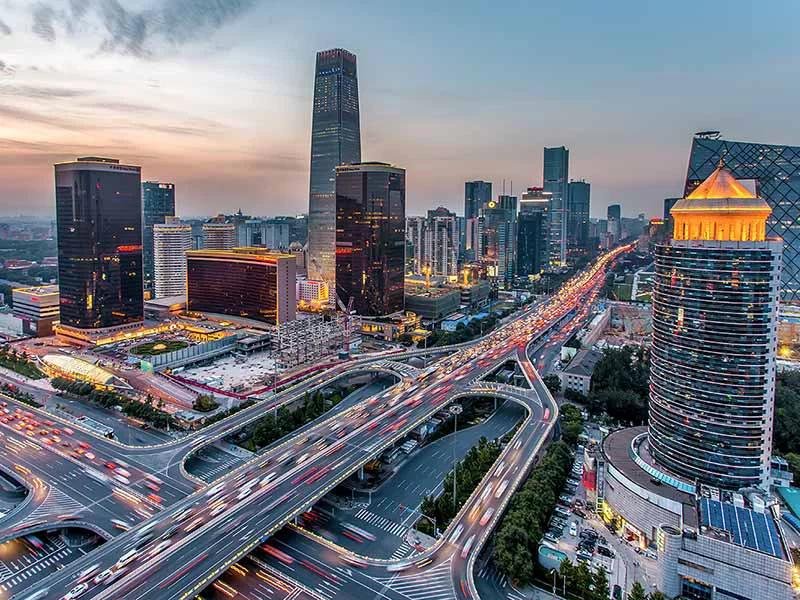
The world’s megacities are growing into some of the most complex urban environments on the planet. Millions of people live, work, travel, study, and run businesses within these enormous urban regions every day.
That scale creates opportunities, but it also creates difficult problems.
Traffic congestion can slow entire metropolitan regions. Housing costs can put pressure on families. Aging infrastructure can struggle to keep up with population growth. Waste, water, energy, air pollution, flooding, and climate risks can become harder to manage as cities expand.
At the same time, cities are using technology and data to find new ways to manage these pressures.
Smart traffic systems, digital public services, intelligent energy networks, real-time environmental monitoring, geographic information systems, connected infrastructure, and automated waste collection are examples of technologies being explored or used in cities around the world.
The idea is not simply to make a city more digital. A genuinely smart city uses technology to improve how urban services work while considering affordability, accessibility, privacy, sustainability, and the needs of residents.
What Is a Megacity?
A megacity is generally defined as an urban area with 10 million or more inhabitants.
According to the United Nations’ World Urbanization Prospects 2025, the number of megacities increased from eight in 1975 to 33 in 2025. The UN projects that the number could reach 37 by 2050.
The definition matters because the population of an official city is not always the same as the population of its wider urban area.
A major metropolitan region can include multiple municipalities that are closely connected through housing, employment, transportation, and infrastructure.
This is why population figures for cities such as New York, Tokyo, London, or Los Angeles can vary depending on whether a source is measuring the city itself, a metropolitan area, or a broader urban agglomeration.
Why Are Megacities So Important?
Megacities concentrate people and economic activity at an enormous scale.
They often provide:
- Large employment markets
- Universities and research institutions
- Financial services
- International transportation
- Healthcare facilities
- Cultural institutions
- Technology companies
- Manufacturing and logistics
- Government services
- Large consumer markets
Cities can therefore become engines of economic growth and innovation.
But concentration also means that problems can spread quickly.
A transportation failure can affect millions of commuters. A heat wave can place pressure on energy and healthcare systems. Flooding can disrupt roads, businesses, homes, and public services across entire neighborhoods.
The OECD notes that cities offer advantages such as employment, healthcare, and education, while also facing challenges including housing costs, air pollution, congestion, and inequality.
Major Problems Facing the World’s Megacities
1. Traffic Congestion
Traffic is one of the most visible problems in large urban areas.
When millions of people travel through the same road network, demand can exceed available capacity. Long commuting times can reduce productivity, increase fuel consumption, and contribute to air pollution.
The problem is not only about the number of cars.
Urban design also matters. If homes, workplaces, schools, shopping areas, and public services are far apart, residents may have fewer practical alternatives to private vehicles.
The OECD identifies congestion, pollution, and mobility as interconnected urban challenges.
Smart solution: Intelligent transportation systems
Cities can use:
- Real-time traffic monitoring
- Adaptive traffic signals
- Public transportation tracking
- Digital parking systems
- Traffic prediction
- Integrated transit applications
- Connected road infrastructure
These systems can help transportation agencies understand traffic conditions and respond more quickly.
However, technology works best when combined with good urban planning and reliable public transportation.
2. Housing Affordability
Housing is another major challenge in large cities.
When population and employment grow faster than housing supply, rents and property prices can rise.
The result can be overcrowding, longer commuting distances, informal housing, or displacement from central areas.
The OECD identifies housing affordability, quality, and overcrowding as important urban challenges.
Smart solution: Data-driven housing planning
Technology can help cities understand:
- Where housing demand is increasing
- Which neighborhoods have limited supply
- Where vacant properties exist
- How transportation affects housing demand
- Which areas are suitable for higher-density development
But software cannot create affordable homes by itself.
Cities still need appropriate land-use policies, housing investment, infrastructure, and planning.
3. Air Pollution
Large urban populations can produce significant emissions from transportation, buildings, industry, and energy use.
Air pollution can become especially serious when traffic, industrial activity, weather conditions, and urban density combine.
Smart solution: Real-time air-quality monitoring
Cities can install networks of sensors that monitor pollutants and provide near-real-time information.
Data can help authorities:
- Identify pollution hotspots
- Monitor changes over time
- Inform residents
- Improve environmental planning
- Evaluate transportation policies
- Identify areas requiring intervention
Technology can improve measurement, but reducing pollution ultimately requires changes in transportation, energy, buildings, industry, and land use.
4. Waste Management
A megacity can generate enormous amounts of municipal waste every day.
As populations grow, traditional waste collection systems can become inefficient.
Overflowing containers, unnecessary collection trips, illegal dumping, and inadequate recycling systems can increase environmental and financial costs.
Smart solution: Connected waste management
Smart waste systems can use sensors to identify when containers need collection.
Instead of following the same collection schedule regardless of demand, operators can use data to adjust routes.
The World Bank’s Global Smart City Partnership Program highlights digital approaches to waste management and has published practical guidance on using technology in waste systems.
This approach can potentially reduce unnecessary trips and improve the use of collection vehicles.
5. Water Supply and Management
Water becomes more difficult to manage as urban populations increase.
Cities need reliable systems for:
- Drinking water
- Wastewater
- Stormwater
- Leak detection
- Water treatment
- Flood management
Aging pipes can also lose significant amounts of water through leaks.
Smart solution: Digital water networks
Smart water systems can use sensors and data analysis to identify:
- Pressure changes
- Possible leaks
- Abnormal consumption
- Infrastructure failures
- Water quality problems
Digital monitoring can help utilities detect problems earlier instead of waiting for visible failures.
6. Energy Demand
Megacities consume large amounts of electricity because of residential buildings, offices, transportation systems, industrial facilities, data centers, and public infrastructure.
Demand can become particularly difficult during extreme heat or cold.
Smart solution: Intelligent energy systems
Smart energy technologies can include:
- Smart meters
- Automated building controls
- Demand-response systems
- Energy storage
- Distributed renewable energy
- Grid monitoring
The World Bank identifies buildings, transportation, and solid waste as important areas where smart-city technologies can support climate-related urban solutions.
7. Flooding and Climate Risks
Large cities can be particularly vulnerable to flooding because buildings, roads, underground systems, and other infrastructure can cover large areas.
Climate change can increase certain risks, while urban development can make drainage and stormwater management more difficult.
The OECD has highlighted urban exposure to flooding, storm surges, air pollution, and other environmental risks.
Smart solution: Early-warning and monitoring systems
Cities can combine:
- Weather data
- Flood sensors
- Satellite imagery
- Geographic information systems
- Drainage monitoring
- Emergency alerts
This information can help authorities identify risks and communicate with residents more quickly.
8. Aging Infrastructure
Many large cities contain infrastructure built decades ago.
Roads, bridges, water pipes, electrical systems, railways, and sewage networks require continuous maintenance.
Population growth can make the problem more difficult because infrastructure must serve more people while also being upgraded.
Smart solution: Predictive infrastructure maintenance
Sensors and data systems can monitor infrastructure conditions.
Instead of waiting for a bridge component, water pipe, or transportation system to fail, authorities can use data to identify maintenance needs earlier.
This is an example of how smart-city technology can shift urban management from reactive maintenance toward more predictive planning.
What Is a Smart City?
A smart city uses digital technologies, data, connected infrastructure, and improved management systems to make urban services more effective.
But there is no single technology that makes a city smart.
A smart-city strategy can include transportation, energy, water, waste, public safety, environmental monitoring, government services, and citizen engagement.
The World Bank’s Global Smart City Partnership Program says data and technology can improve city planning, service delivery, citizen engagement, and government accountability. It also emphasizes privacy and inclusion.
That last point is important.
A city should not adopt technology simply because it is new.
The technology should solve a real problem.
Read Also: Everything You Wanted to Know About Megacities
Smart City Solutions for Megacities
Smart Transportation
Transportation is one of the most obvious areas for smart-city technology.
Examples include:
- Real-time bus tracking
- Smart traffic signals
- Congestion monitoring
- Digital tolling
- Intelligent parking
- Integrated transit cards
- Bicycle and scooter systems
- Electric vehicle charging networks
The goal is to make transportation more efficient while giving residents practical alternatives to private cars.
Smart Buildings
Buildings can use sensors and automation to manage lighting, heating, cooling, ventilation, and electricity use.
For example, an office building could automatically adjust its systems according to occupancy.
This can reduce unnecessary energy consumption and provide building managers with better information.
Smart Waste Collection
Connected waste bins can communicate information about their fill levels.
Collection companies or city agencies can then plan routes based on actual demand.
The World Bank has specifically identified digital waste-management solutions as an area where smart-city approaches can support more efficient urban services.
Smart Water Management
Connected water infrastructure can help utilities monitor networks and identify problems.
A digital system can combine information from meters, sensors, maintenance records, and geographic data.
This creates a more complete picture of how the water network is performing.
Smart Energy Management
Smart grids can provide better information about electricity demand and supply.
Buildings can use automated systems to reduce consumption during periods of high demand.
Renewable energy, battery storage, and demand-response systems can also become easier to coordinate when energy networks have better data.
Digital Government Services
Residents increasingly expect to access government services online.
Digital platforms can allow people to:
- Report infrastructure problems
- Pay certain fees
- Apply for permits
- Access public information
- Track service requests
- Receive emergency notifications
This can reduce unnecessary paperwork and make communication between residents and city authorities easier.
Smart Public Safety
Technology can support emergency response through:
- Connected sensors
- Emergency alert systems
- Geographic mapping
- Traffic monitoring
- Disaster-warning systems
However, public safety technologies can raise important questions about privacy, data collection, and responsible use.
Smart-city programs need clear rules about how data is collected, stored, accessed, and protected.
Real-World Smart City Examples
Seoul
Seoul has used technology to improve public transportation and urban services.
The World Bank has highlighted Seoul’s transportation information systems, including tools that help monitor buses and communicate information to passengers. The city has also used technology in waste and energy management.
The example shows that smart-city development does not have to mean replacing an entire urban system at once.
Cities can improve individual services and connect them over time.
Los Angeles
Los Angeles faces challenges associated with traffic and environmental pollution.
An OECD review of smart cities notes that Los Angeles has used a Smart City Plan and explored technologies including the Internet of Things and data science as part of its urban strategy.
The city illustrates why smart-city solutions need to respond to local conditions. A technology designed for a dense transit-oriented city may not work the same way in a sprawling metropolitan region.
Karachi
Karachi demonstrates the scale of infrastructure challenges that can emerge in rapidly growing urban areas.
A World Bank assessment identified major gaps in transportation, water, sanitation, and waste management and discussed the need for substantial investment to address those gaps.
The broader lesson is that smart technology cannot replace basic infrastructure investment.
A city needs functioning roads, water systems, sanitation, waste collection, public transportation, and governance before digital tools can deliver their full value.
Can Technology Solve Every Megacity Problem?
No.
Technology is a tool, not a complete urban-development strategy.
A traffic application cannot solve a shortage of public transportation.
A smart meter cannot fix an unreliable electrical grid.
A flood sensor cannot replace adequate drainage.
A housing database cannot create affordable homes.
This is why smart-city planning works best when technology is combined with infrastructure investment, effective governance, urban planning, and community participation.
The OECD emphasizes that urban challenges are interconnected and that fragmented approaches can reduce the effectiveness of individual interventions.
The Importance of Data in Smart Cities
Data is at the center of many smart-city systems.
Cities can collect information from:
- Traffic sensors
- Public transportation
- Weather stations
- Water meters
- Energy systems
- Waste containers
- Satellite imagery
- Mobile applications
- Geographic information systems
When combined responsibly, these data sources can help city planners understand how urban systems operate.
But more data is not automatically better.
Cities also need:
- Data-quality standards
- Cybersecurity
- Privacy protections
- Transparent governance
- Clear data-access rules
- Responsible technology procurement
Without these safeguards, digital systems can create new risks while attempting to solve existing problems.
Are Smart Cities Good for Everyone?
A smart-city project should ultimately be judged by whether it improves people’s lives, not simply by how advanced its technology looks.
A city could have thousands of sensors and sophisticated software while still struggling with affordable housing, unreliable public transportation, or unequal access to services.
The United Nations has emphasized that digital innovation should support inclusive and sustainable urban development rather than widen existing gaps.
That means smart-city planning should consider:
- Low-income households
- Older residents
- People with disabilities
- Children
- Workers
- Small businesses
- People without reliable internet access
Digital services should complement essential public services rather than make them inaccessible to people who cannot use digital tools.
What Will the World’s Megacities Look Like in the Future?
Urban populations are expected to continue changing significantly.
The UN’s 2025 urbanization report says cities were home to 45% of the world’s population in 2025, and two-thirds of global population growth through 2050 is projected to occur in cities.
That means city governments will have to think beyond simply building more roads and buildings.
Future megacities will increasingly need to coordinate:
- Housing
- Public transportation
- Energy
- Water
- Waste
- Climate resilience
- Digital infrastructure
- Public health
- Economic development
- Green spaces
The biggest opportunity may not be one revolutionary technology.
It may be the ability to connect existing systems so they work together more effectively.
The Future of Smart Megacities
The future smart city is likely to be less about flashy technology and more about better coordination.
Traffic data can connect with transit planning.
Weather information can support flood management.
Energy data can help buildings reduce demand.
Housing data can support land-use decisions.
Waste data can improve collection routes.
Geographic information can help governments understand where infrastructure gaps exist.
The World Bank’s smart-city program describes digital transformation as a way to strengthen city planning, management, service delivery, and citizen engagement.
That approach is particularly relevant to megacities because their problems rarely exist in isolation.
Frequently Asked Questions About Megacities and Smart Cities
What is the biggest problem facing megacities?
There is no single problem shared equally by every megacity. Common challenges include housing affordability, congestion, pollution, infrastructure capacity, waste management, water security, inequality, and climate risks.
What is a smart city?
A smart city uses data, digital technologies, connected infrastructure, and improved management systems to make urban services more efficient, responsive, sustainable, and accessible.
How many megacities are there in the world?
The United Nations identified 33 megacities in 2025, using a threshold of 10 million or more inhabitants.
What makes a city a megacity?
The commonly used UN threshold is 10 million or more inhabitants in an urban area. The geographic definition used to calculate the population is also important.
Can smart technology reduce traffic?
Technology can help manage traffic through real-time monitoring, adaptive signals, public transportation information, congestion management, and better route planning. However, technology works best alongside effective transportation and land-use planning.
How can smart cities reduce pollution?
Possible approaches include cleaner transportation, energy-efficient buildings, renewable energy, environmental sensors, better waste management, and data-driven urban planning.
How does technology help with waste management?
Sensors can monitor waste-container fill levels, allowing collection routes to be adjusted according to actual demand. This can potentially reduce unnecessary collection trips and improve operational efficiency.
Can smart cities solve housing problems?
Technology can improve housing data, planning, property information, and infrastructure management, but affordable housing also requires land-use policies, investment, housing supply, and effective governance.
Are smart cities expensive?
Some smart-city technologies require significant investment in sensors, software, networks, infrastructure, and staff. The financial value depends on the problem being addressed and how effectively the technology is implemented.
Do smart cities create privacy concerns?
Yes. Connected systems can collect large amounts of information. Cities therefore need appropriate privacy, cybersecurity, transparency, and data-governance policies.
What is the future of megacities?
Megacities are likely to become increasingly connected through digital infrastructure while also facing continued challenges related to housing, transportation, climate, energy, water, waste, and population growth.
Final Thoughts
The world’s megacities are facing problems that are too interconnected to solve with a single technology.
Traffic affects pollution. Housing affects commuting. Urban development affects infrastructure costs. Climate risks affect water, transportation, energy, and public safety.
Smart-city technology can help cities understand these connections and respond more efficiently.
But the most effective approach is not simply to make cities more digital. It is to make them more connected, resilient, efficient, inclusive, and responsive to the people who live in them.
As urban populations continue to grow, the cities that succeed will need to combine technology with sound planning, infrastructure investment, responsible governance, and meaningful participation from residents.
The future of megacities will therefore depend not only on how smart their technology becomes, but on how effectively that technology is used to solve real urban problems.
[…] You may also read: World’s Megacities With Major Problems and Smart City Solutions […]